
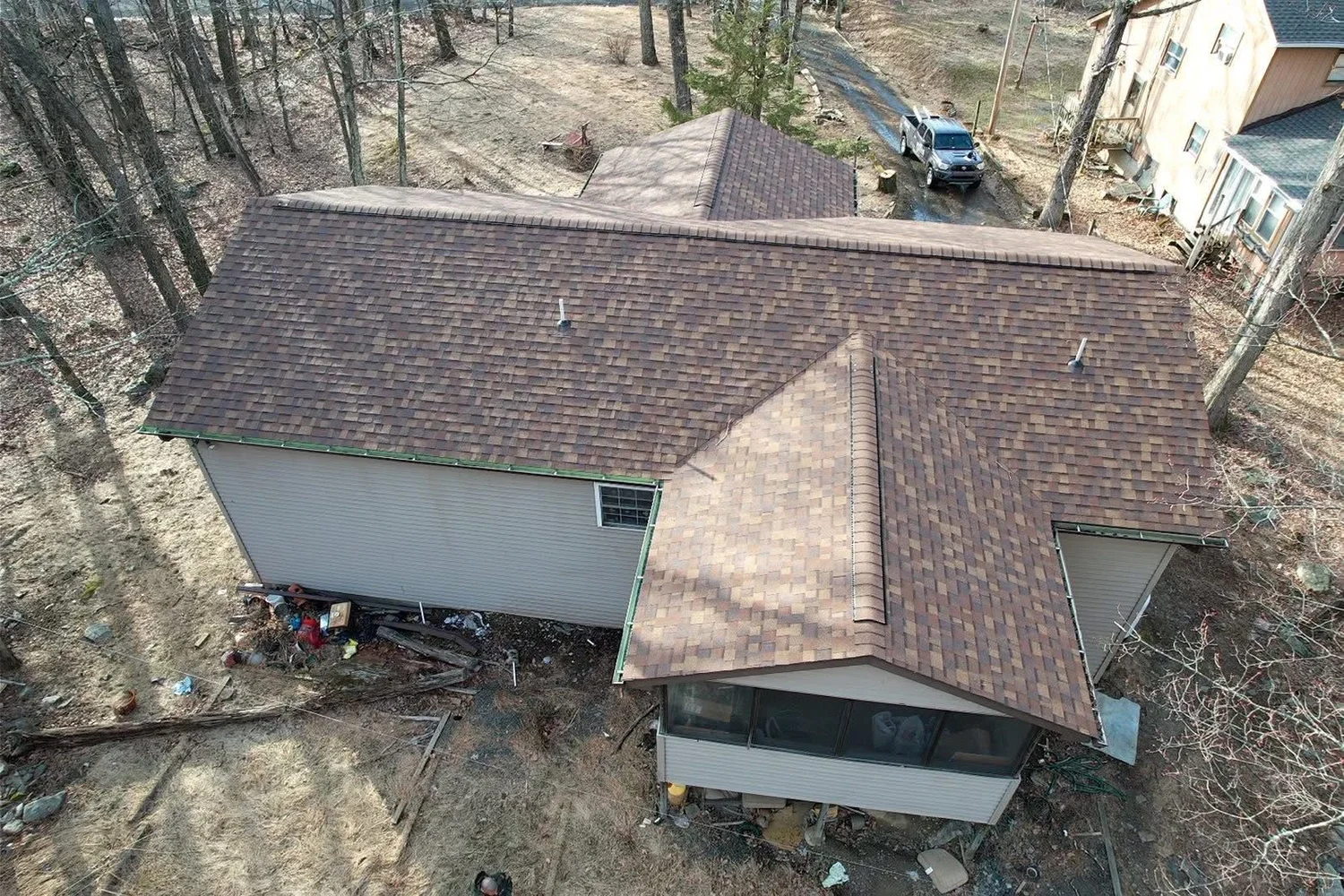
The building shapes the work
Roof area is only one part of a scope. Pitch, roof geometry, height and access can affect how work is planned. Valleys, chimneys, skylights and additions introduce transitions that deserve their own description. Two homes with a similar footprint can therefore require different work. A useful estimate explains the property-specific factors rather than presenting a generic price per house.
Look beneath the covering
Ask how existing layers will be handled and what happens if decking needs attention. Some conditions cannot be fully established until material is removed. The proposal should explain how new findings will be documented and who approves additional work. A written allowance or a clear change process is more useful than an assumption that nothing unexpected can be found.
Make the proposals comparable
Compare product names, underlayment, water barriers, flashing, ventilation, cleanup and disposal. Ask whether access equipment and protection for the property are included. Clarify what is excluded. If one proposal describes a full assembly and another names only the shingles, the difference is not yet a meaningful price comparison.
Separate price from promises
Review payment stages, timing assumptions and written warranty terms. Material and workmanship coverage are different topics; neither should be assumed from a brand logo. This guide deliberately supplies no unverified price range. The cost of your project requires a defined scope and a proposal for your property, including any applicable items the contractor has identified.
General educational information. A property assessment and written scope determine appropriate work; this article does not establish pricing, availability or coverage.
Discuss your roof →Related reading
Repair or replace? Start with the condition, not the sales pitch.
A useful decision compares the extent of the problem, the surrounding roof and the scope of each option.
Getting your property ready for roofing work.
A practical conversation about access, belongings and communication before the first workday.
Material and workmanship warranties: ask for the documents.
Understand who makes each promise and what the written terms actually cover.