
Surface changes
Why Do My Roof Shingles Have Bubbles or Blisters?
Small raised blisters in shingles are different from a broad roof buckle. Their cause and significance need assessment before deciding on cleaning, repair or a warranty inquiry.
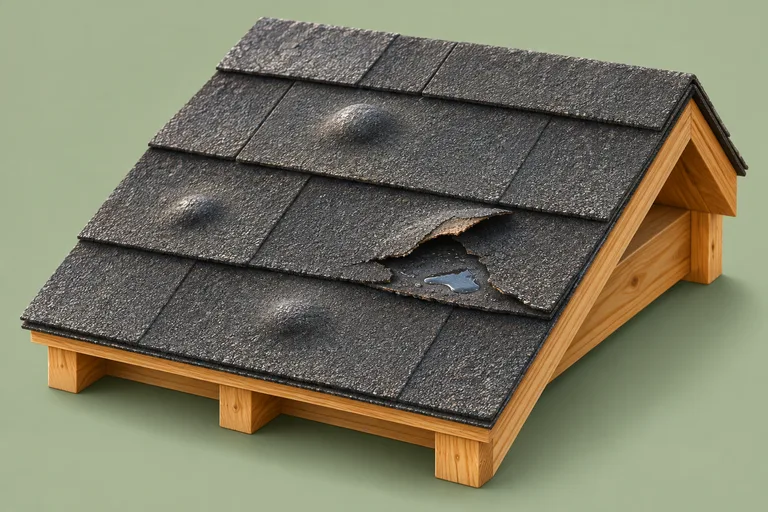
What could be causing it?
Moisture associated with roofing materials or the assembly can contribute to blistering.
Excess roofing cement beneath shingles can create localized blisters.
Surface damage and granule loss may resemble burst blisters without confirming their origin.
Separate small surface blisters from large buckles
A broad hump across several courses may involve the deck or underlying layers, while a small shingle blister is a localized surface feature. Photographs and installation records help a contractor or manufacturer decide which condition is present.
What you can observe safely
Use existing inspection photographs to compare isolated bumps with broader distortion. Keep material information and installation dates. Do not burst or scrape blisters.
Use indoor or ground-level photographs. Avoid climbing onto a wet or damaged roof or entering an unsafe attic.
What determines the right repair?
Ask whether the issue is the shingle surface, installation materials or assembly moisture. Manufacturer review may require records or samples handled through the appropriate process.
Questions worth asking
- What evidence identifies the source of the moisture or damage?
- Which materials can remain, and which need replacement?
- What is included in the written scope, and what happens if hidden damage is found?
Common follow-up question
Should I pop the bubbles?
No. Breaking the surface can expose material and destroy useful evidence. Keep photographs and ask what investigation or manufacturer process is appropriate.
What should the inspection document?
Ask for the affected location, photographs of the findings and a distinction between confirmed defects and areas that need further access. The report should explain how the proposed work connects to the symptom and which adjoining materials remain.
Build a useful record
Save dated photographs, the weather when the problem appeared, and earlier inspection or repair documents. These answers help you prepare; the cause still needs to be confirmed at the property.
Ask our New Jersey team about the problem →Further reading
Keep exploring: 3 related answers
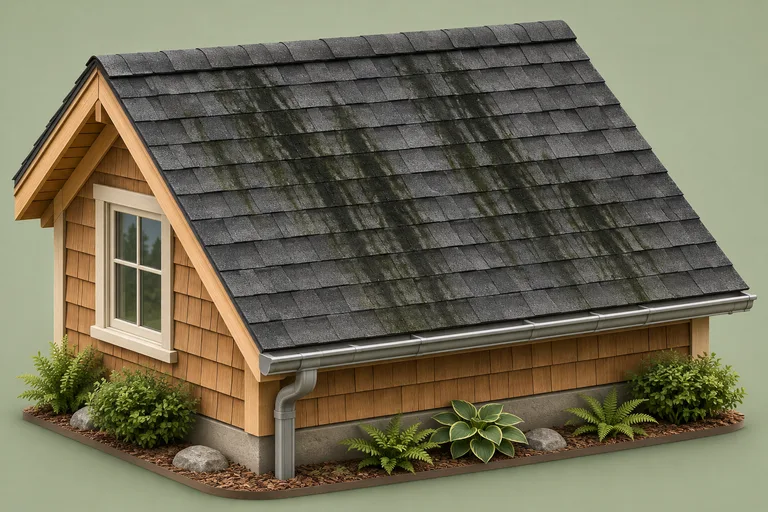
What Are the Black Streaks on My Roof?
Dark streaks can be associated with algae. Discoloration alone does not establish that a roof leaks or needs replacement.
Read the answer →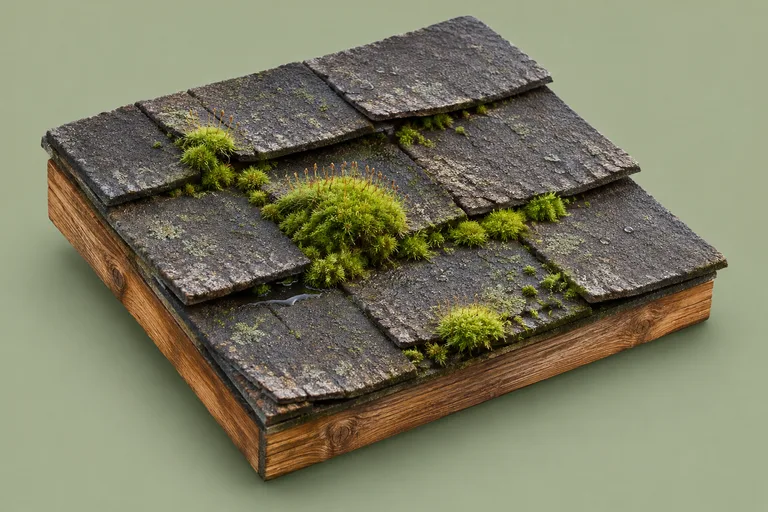
Is Moss Growing on My Roof a Problem?
Moss can hold moisture around shingles and hide their condition. Treatment should suit the roof material and its condition.
Read the answer →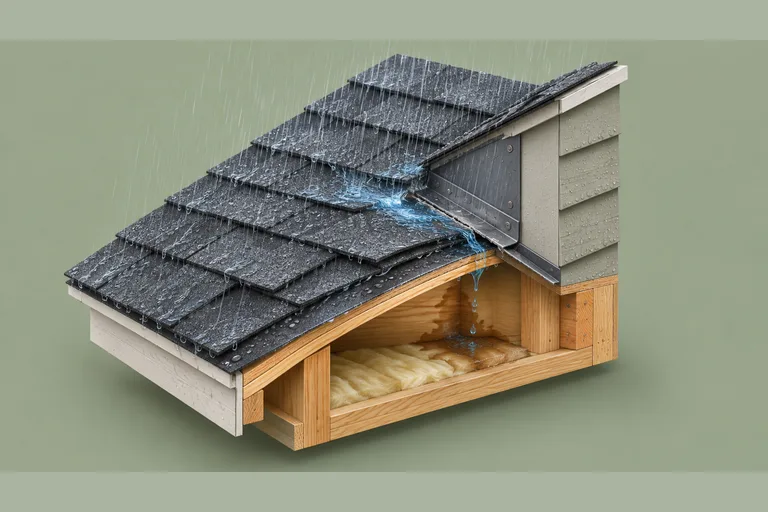
Why Does My Roof Leak Only During Heavy Rain?
Rain exposes a weak detail; it does not identify which part has failed. Wind direction, drainage and the duration of the rain can change when water becomes visible.
Read the answer →