
Leaks & water
Why Is My Skylight Leaking When It Rains?
A wet skylight area can involve flashing, the skylight unit or condensation. Replacing the whole unit is not always the first answer.
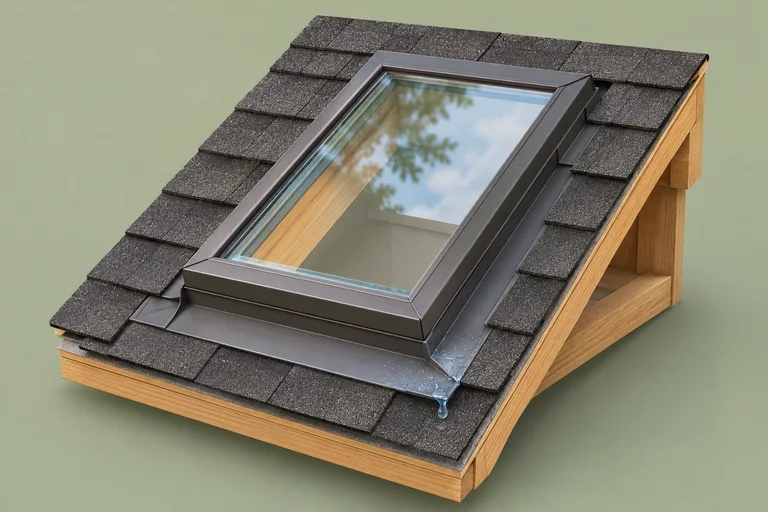
What could be causing it?
Roof flashing around the skylight may no longer shed water correctly.
Aging seals or damaged glazing can admit water through the unit.
Indoor humidity can condense on cold glass and drip onto finishes.
Distinguish glass, frame and roof junction
A drip on the glass during cold weather and a wet ceiling corner after rain may need different investigations. Skylight age and model affect which seals, flashing kits or replacement parts are available. A quote should identify whether interior finishing is included.
What you can observe safely
Note whether water begins at the glass, frame or surrounding ceiling. Record the weather and indoor humidity if known, and locate the model information without climbing.
Use indoor or ground-level photographs. Avoid climbing onto a wet or damaged roof or entering an unsafe attic.
What determines the right repair?
Ask whether the problem is the unit or the roof connection. The unit age, flashing kit, roofing condition and interior damage shape the repair decision.
Questions worth asking
- What evidence identifies the source of the moisture or damage?
- Which materials can remain, and which need replacement?
- What is included in the written scope, and what happens if hidden damage is found?
Common follow-up question
Should every leaking skylight be replaced?
No. The fault may be in the roof connection rather than the unit. Conversely, a deteriorated unit may make a flashing-only repair poor value. Compare both options using the findings.
What should the inspection document?
Ask for the affected location, photographs of the findings and a distinction between confirmed defects and areas that need further access. The report should explain how the proposed work connects to the symptom and which adjoining materials remain.
Build a useful record
Save dated photographs, the weather when the problem appeared, and earlier inspection or repair documents. These answers help you prepare; the cause still needs to be confirmed at the property.
Ask our New Jersey team about the problem →Further reading
Keep exploring: 3 related answers
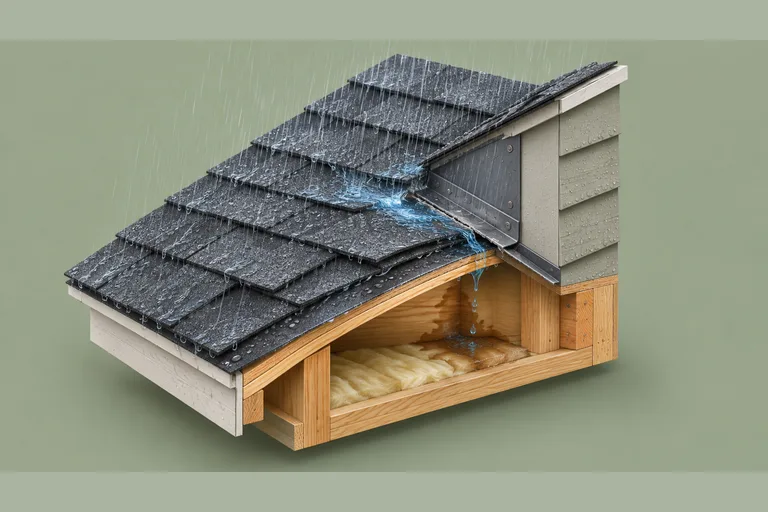
Why Does My Roof Leak Only During Heavy Rain?
Rain exposes a weak detail; it does not identify which part has failed. Wind direction, drainage and the duration of the rain can change when water becomes visible.
Read the answer →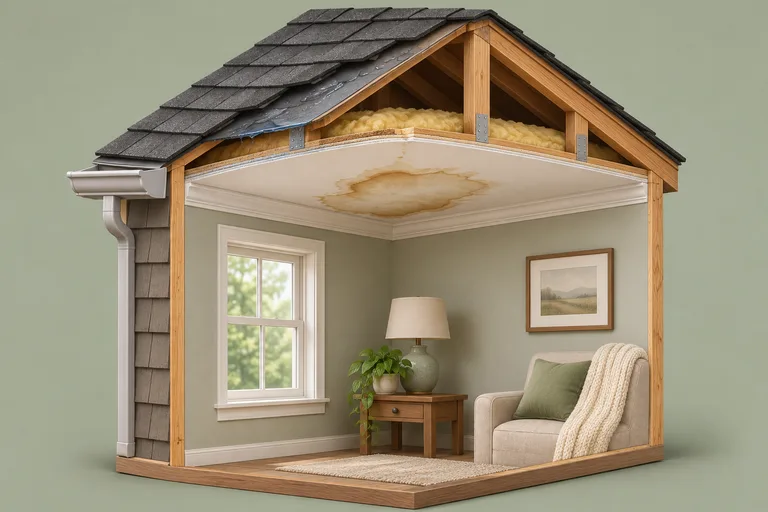
Brown Stain on the Ceiling: Roof Leak or Something Else?
A ceiling stain shows that moisture has been present. The source may be roofing, plumbing or condensation, and can be some distance from the mark.
Read the answer →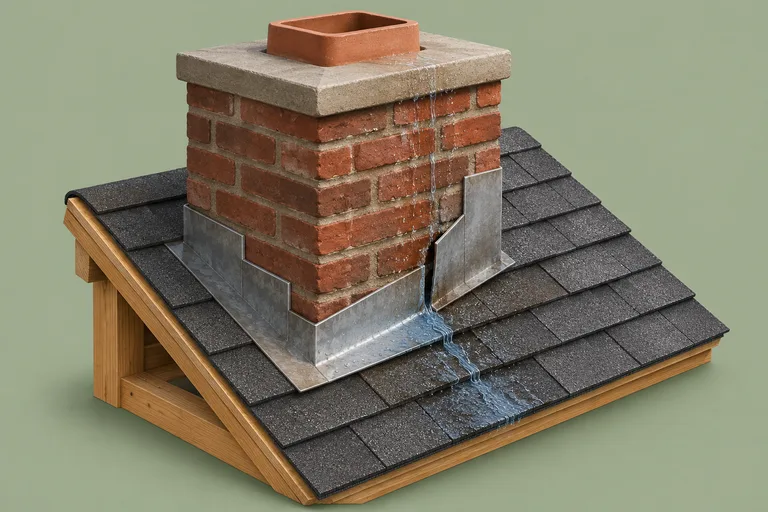
Water Around the Chimney After Rain: What Could Cause It?
Water near a chimney can come from the roof junction or the chimney itself. The position of the indoor stain does not establish which component needs repair.
Read the answer →