
Repair decisions
My New Roof Is Leaking: What Should I Check First?
Document the leak and contact the installing contractor promptly. A new roof leak needs investigation, and the warranty documents help clarify how to report it.
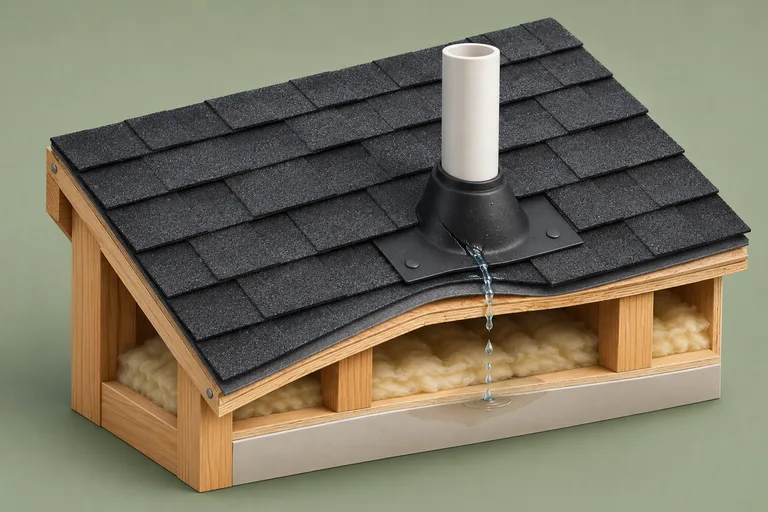
What could be causing it?
An incomplete flashing transition or penetration detail may admit rain.
An adjoining wall or chimney defect may sit outside the replaced roofing scope.
Condensation or plumbing can create moisture that resembles a roof leak.
Keep the original installation evidence
The contract helps show which components were included and which adjoining structures remained. Report the issue promptly in writing, preserve photographs and request a documented cause. A new installation can still have an unrelated plumbing or wall leak.
What you can observe safely
Keep the contract, completion date, photographs and written messages together. Note when the leak appeared and any work performed afterward.
Use indoor or ground-level photographs. Avoid climbing onto a wet or damaged roof or entering an unsafe attic.
What determines the right repair?
Ask for the identified cause and proposed correction in writing. Review workmanship and product warranty terms before arranging alterations by another contractor.
Questions worth asking
- What evidence identifies the source of the moisture or damage?
- Which materials can remain, and which need replacement?
- What is included in the written scope, and what happens if hidden damage is found?
Common follow-up question
Does every new-roof leak qualify for warranty work?
Coverage depends on the cause and the written warranty. Ask which provision applies and keep records before another contractor changes the installation.
What should the inspection document?
Ask for the affected location, photographs of the findings and a distinction between confirmed defects and areas that need further access. The report should explain how the proposed work connects to the symptom and which adjoining materials remain.
Build a useful record
Save dated photographs, the weather when the problem appeared, and earlier inspection or repair documents. These answers help you prepare; the cause still needs to be confirmed at the property.
Ask our New Jersey team about the problem →Further reading
Keep exploring: 3 related answers
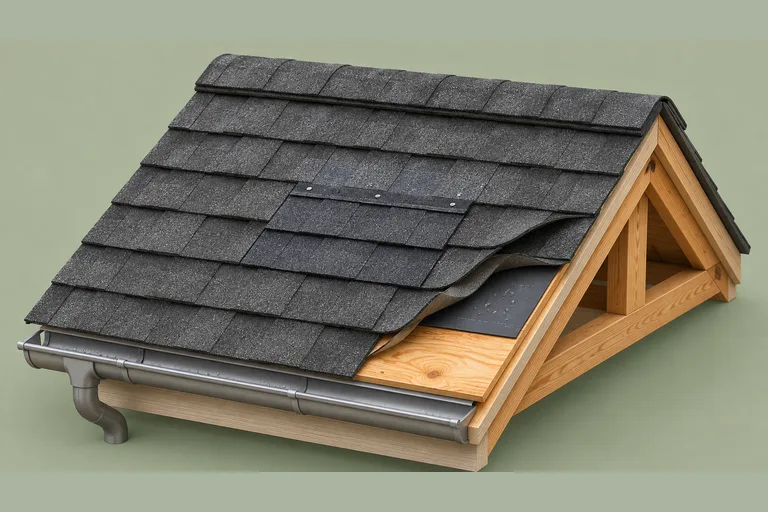
Can You Repair Just One Section of a Roof?
Often a localized defect can be repaired, but the surrounding roof must be sound enough to accept the repair. Area alone does not decide whether partial work is appropriate.
Read the answer →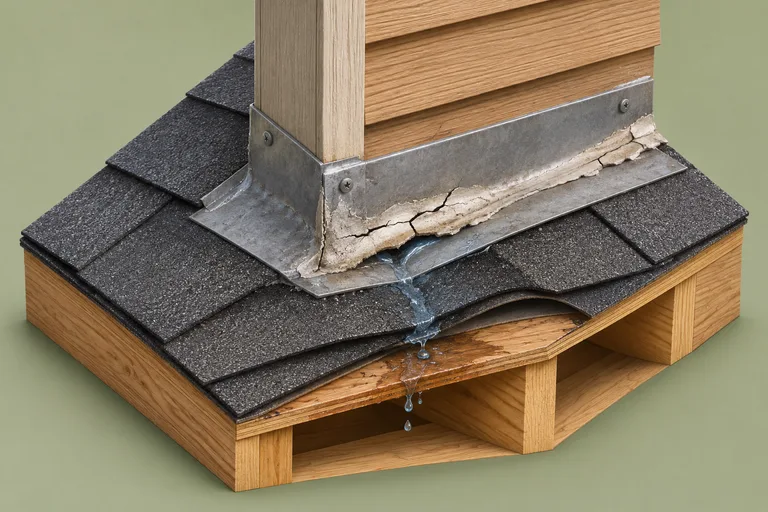
Why Does My Roof Keep Leaking After Repairs?
A recurring leak can mean the original source remains, another source exists, or water is still draining from wet construction. More surface sealant is not a diagnosis.
Read the answer →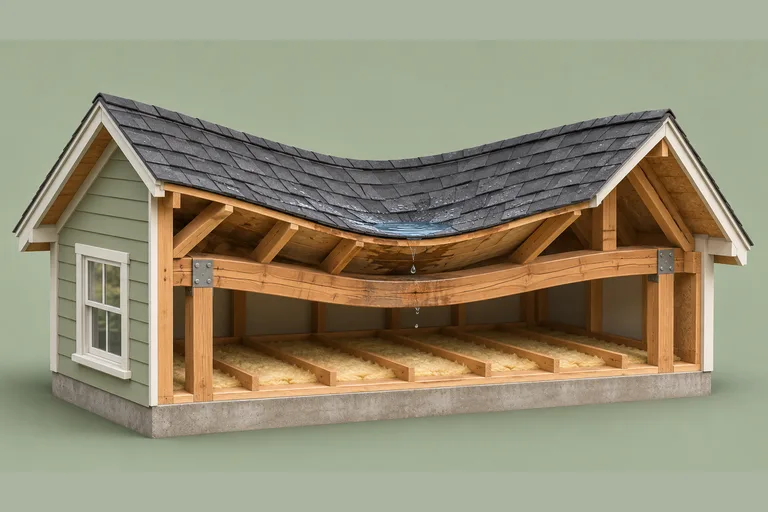
Why Does My Roof Look Like It Is Sagging?
A dip may involve decking, framing or original roof geometry. A new or changing sag needs prompt assessment.
Read the answer →