
Shingles & storm
Why Are There Shingle Granules in My Gutters?
Some loose granules after installation can occur. Persistent shedding with exposed or bald areas needs assessment.
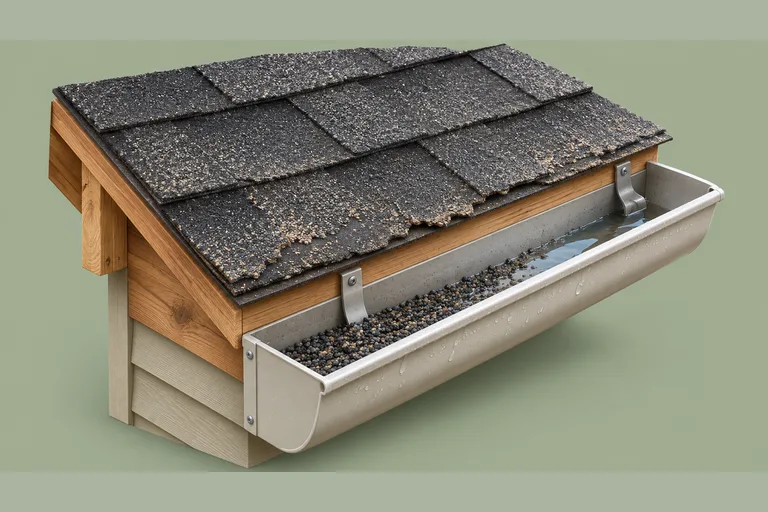
What could be causing it?
New shingles can shed loose manufacturing granules.
Weathering can loosen the protective surface.
Hail, foot traffic or impact can cause localized granule loss.
Look at the roof surface as well as deposits
Granules can collect over time, so a single gutter photograph does not show when shedding occurred. Compare deposits with exposed asphalt, patterned wear and the installation date. Keep cleaning and storm dates to help separate old debris from a recent change.
What you can observe safely
Photograph deposits at downspout outlets and visible roof patches from the ground. Record recent installation or storm dates.
Use indoor or ground-level photographs. Avoid climbing onto a wet or damaged roof or entering an unsafe attic.
What determines the right repair?
Ask whether the pattern suggests normal shedding, wear or impact. Gutter deposits alone cannot establish remaining roof life or prove storm damage.
Questions worth asking
- What evidence identifies the source of the moisture or damage?
- Which materials can remain, and which need replacement?
- What is included in the written scope, and what happens if hidden damage is found?
Common follow-up question
Can granules prove hail damage?
Not on their own. A qualified assessment considers the roof surface, impact pattern and other evidence; the presence of loose granules does not establish a specific event.
What should the inspection document?
Ask for the affected location, photographs of the findings and a distinction between confirmed defects and areas that need further access. The report should explain how the proposed work connects to the symptom and which adjoining materials remain.
Build a useful record
Save dated photographs, the weather when the problem appeared, and earlier inspection or repair documents. These answers help you prepare; the cause still needs to be confirmed at the property.
Ask our New Jersey team about the problem →Further reading
Keep exploring: 3 related answers
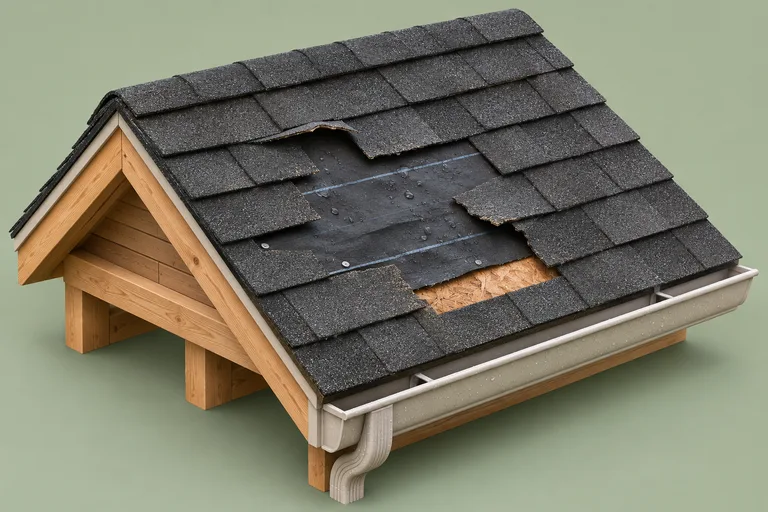
Will Missing Shingles Cause a Leak?
Missing shingles leave part of the roof system more exposed. A leak may not be visible immediately, but the exposed area needs assessment before another storm.
Read the answer →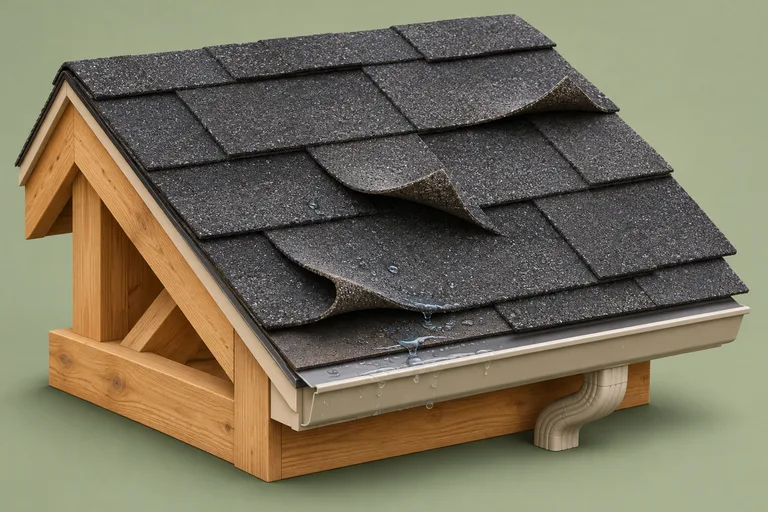
Why Are My Roof Shingles Curling at the Edges?
Raised shingle edges can involve aging, moisture or installation conditions. Curling may also increase vulnerability to wind.
Read the answer →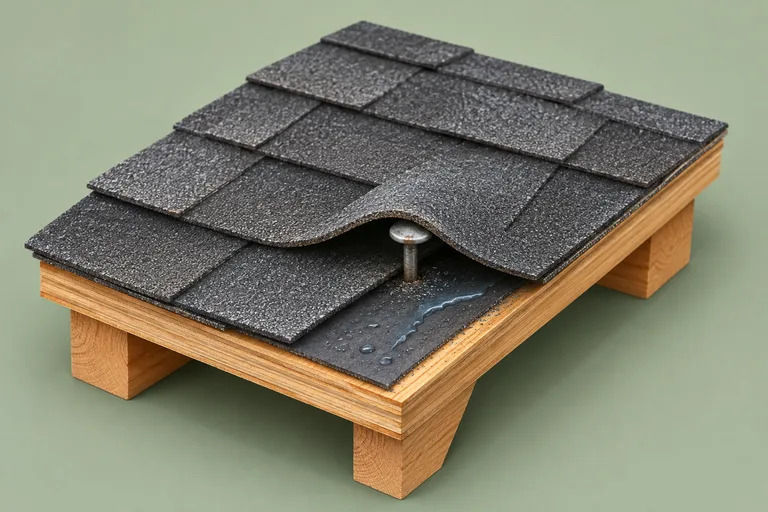
Roof Nail Pops and Exposed Nails: What Do They Mean?
A raised nail can lift the shingle above it, while an exposed nail may indicate a different fastening detail. The location and surrounding roof condition determine what needs correction.
Read the answer →