
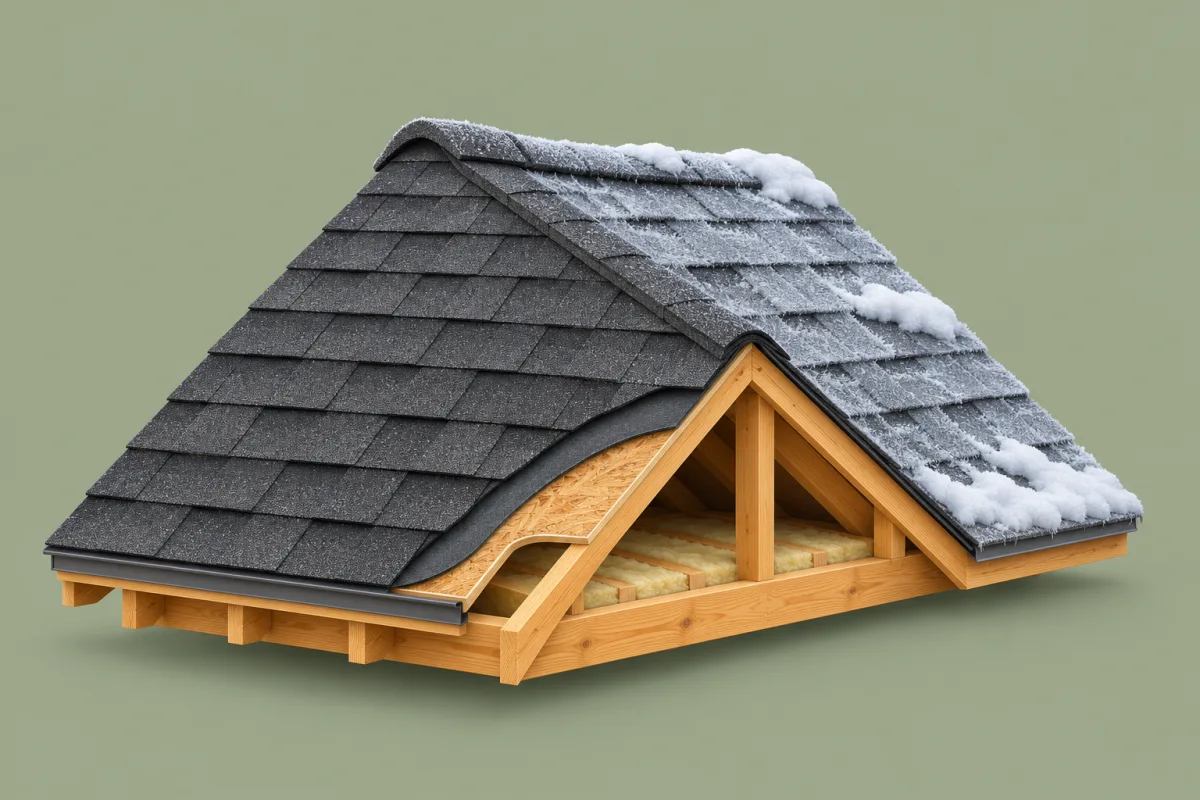
Start with the urgency of the roof problem
If water is actively entering, arrange an assessment and ask what temporary protection is practical. For a planned replacement on a roof that is still shedding water, compare the next dry weather window with the option of scheduling for milder conditions. Ask how the roof will be monitored if the project is deferred.
Ask about the specific shingle and weather conditions
Cold asphalt shingles can be harder to handle and their factory seal may take longer to bond. Have the contractor name the product and explain the manufacturer’s cold-weather requirements, including whether hand sealing applies. A daytime forecast alone leaves out conditions on shaded slopes and the roof deck.
Plan tear-off around a dry work window
Ask how the crew verifies the deck is dry and free of frost or ice before installing the next layer. Confirm how much of the roof will be opened at once and how the crew will protect it if the forecast changes. Ice, snow and wind can affect safe access and the staging plan.
Get the delay plan in writing
Ask who decides whether a work day proceeds, what happens if materials arrive before a delay, and which protections stay in place overnight. If repair or temporary protection comes first, ask which work can be incorporated into the permanent job and which costs are separate.
Sources & further reading
General educational information. A property assessment and written scope determine appropriate work; this article does not establish pricing, availability or coverage.
Discuss your property →Related reading
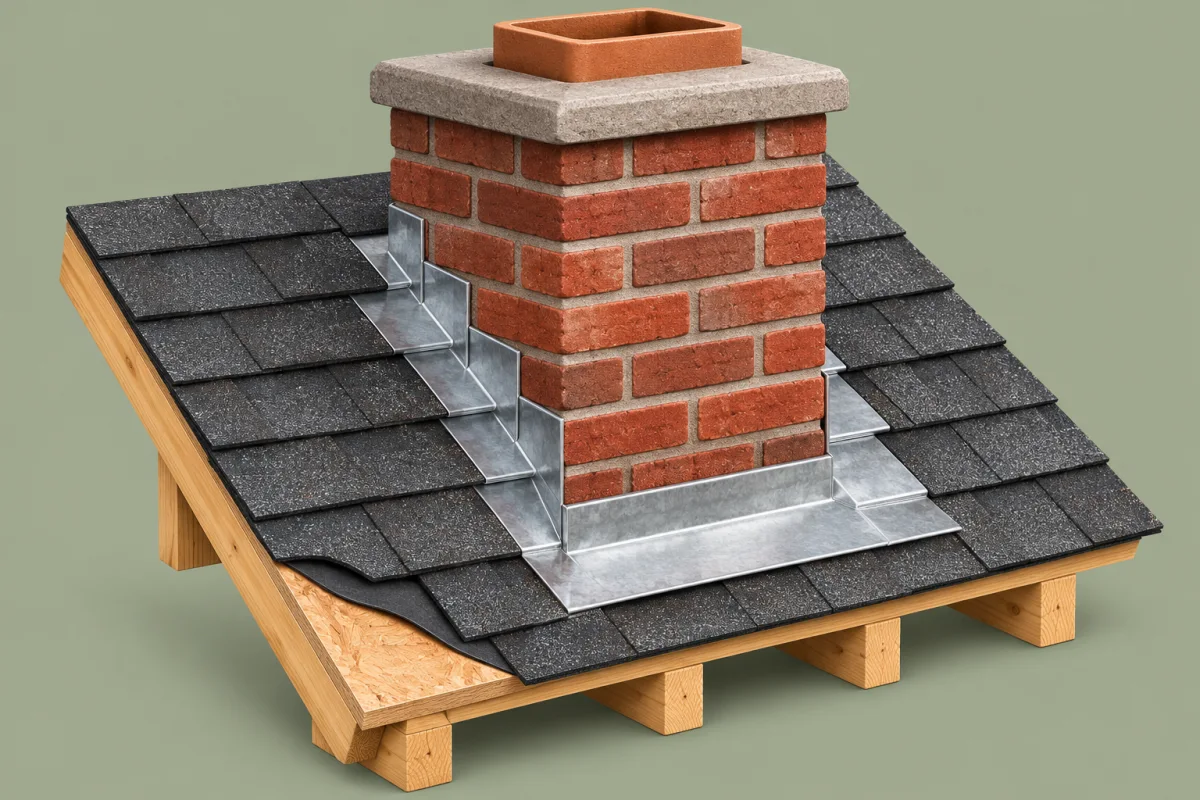
Should Chimney Flashing Be Replaced When You Reroof?
Learn what a reroof proposal should say about chimney flashing, counterflashing, masonry repairs and who handles each part.
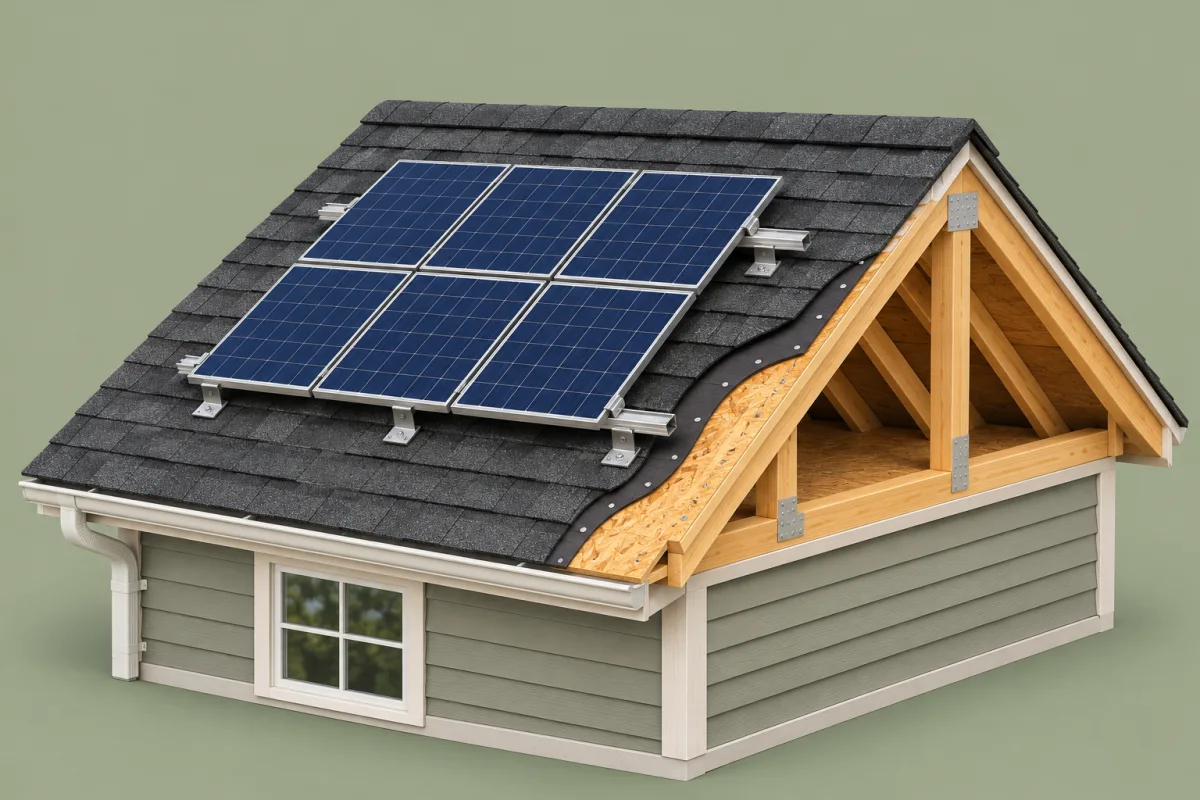
Should You Replace Your Roof Before Installing Solar in New Jersey?
Compare the roof’s remaining life, the solar layout and future panel removal costs before coordinating roofing and rooftop solar.
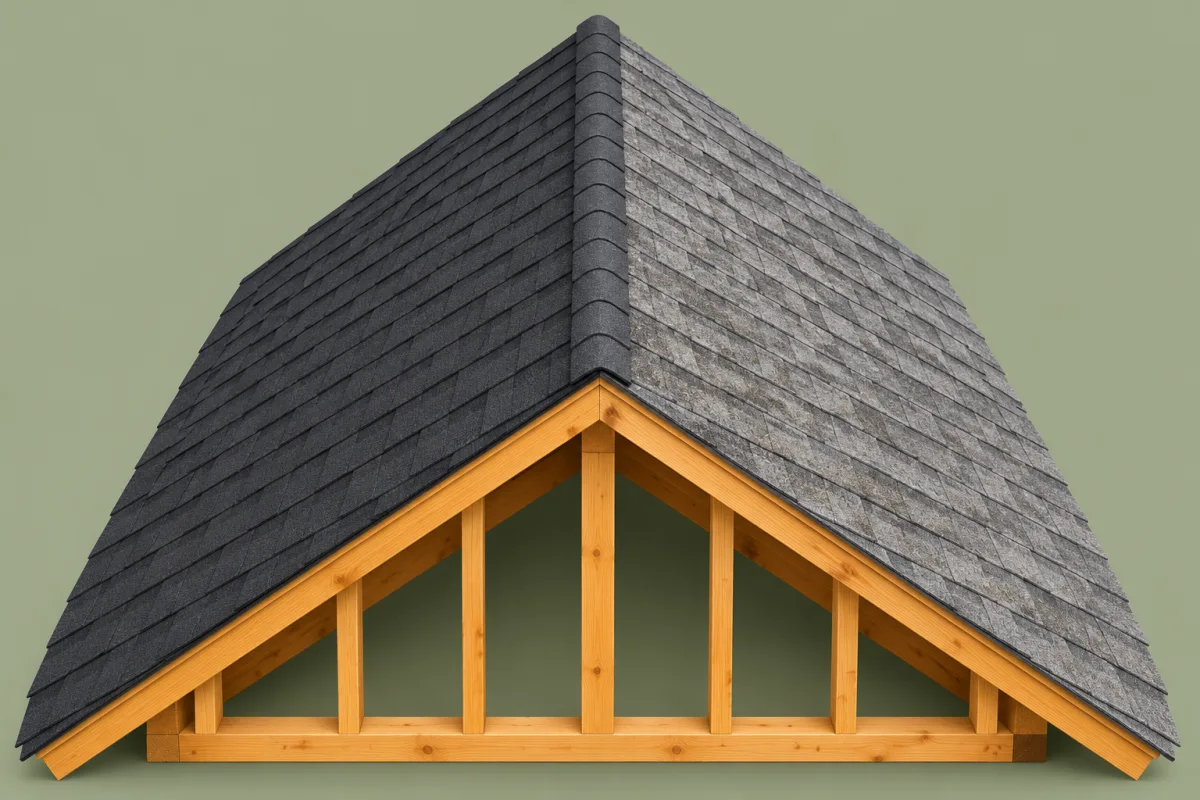
Can You Replace Just One Side of a Roof in New Jersey?
Learn when one-slope replacement can work and how to compare the ridge, valley, flashing and warranty details in a partial reroof quote.