
Edges & drainage
Why Is Ice Building Up Along the Edge of My Roof?
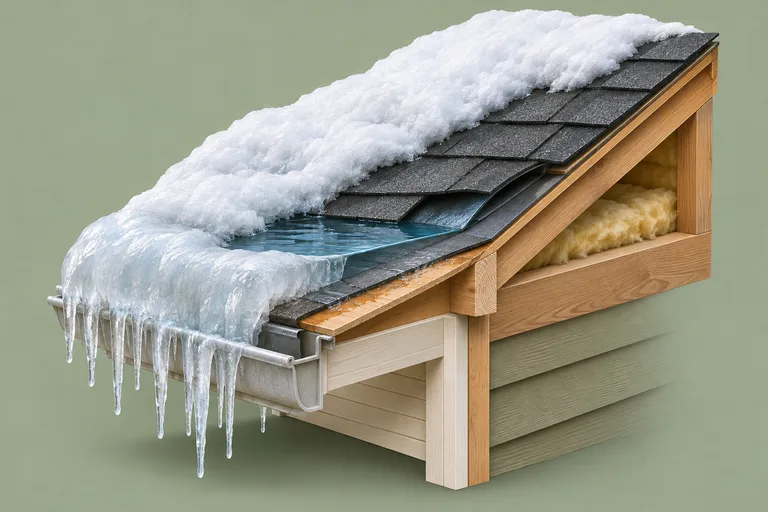
An ice dam forms when meltwater refreezes at a colder roof edge. Trapped water can move beneath roofing.
What could be causing it?
Heat escaping into the attic can melt snow higher on the roof.
Insulation gaps and air leaks can create uneven roof temperatures.
Snow cover and roof geometry affect where meltwater refreezes.
Think about heat as well as ice
Melting snow higher on the roof and freezing at an edge can produce a barrier to drainage. The appropriate long-term work may involve attic air leakage or insulation as well as roof-edge protection. Treat removal and prevention as separate scopes.
What you can observe safely
Photograph the ice from the ground and note indoor staining during thawing. Keep people away from falling ice. Do not chip ice from the roof or use open flames.
Use indoor or ground-level photographs. Avoid climbing onto a wet or damaged roof or entering an unsafe attic.
What determines the right repair?
Ask about air sealing, insulation, ventilation and roof-edge water protection. Ice removal alone does not resolve the underlying heat and water pathways.
Questions worth asking
- What evidence identifies the source of the moisture or damage?
- Which materials can remain, and which need replacement?
- What is included in the written scope, and what happens if hidden damage is found?
Common follow-up question
Do icicles always prove an ice dam is leaking?
No. Visible ice does not by itself establish indoor water entry, but heavy ice is a falling hazard. Document it from a safe distance and report any new ceiling moisture.
What should the inspection document?
Ask for the affected location, photographs of the findings and a distinction between confirmed defects and areas that need further access. The report should explain how the proposed work connects to the symptom and which adjoining materials remain.
Build a useful record
Save dated photographs, the weather when the problem appeared, and earlier inspection or repair documents. These answers help you prepare; the cause still needs to be confirmed at the property.
Ask our New Jersey team about the problem →Further reading
Keep exploring: 3 related answers
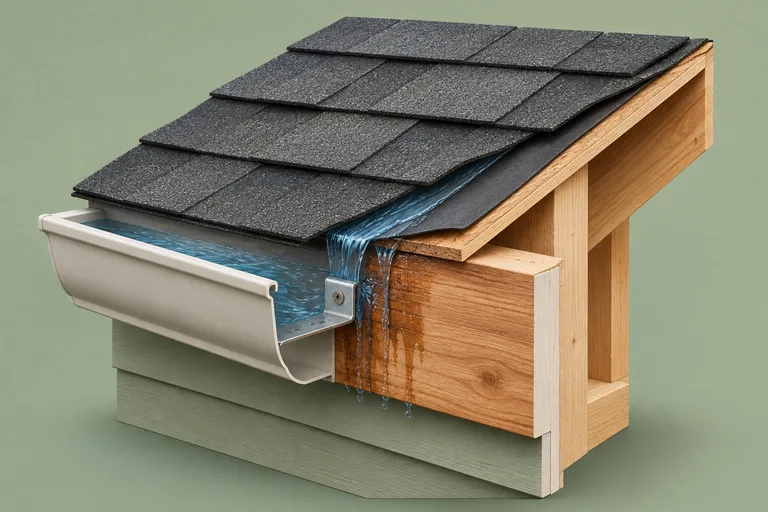
Why Is Water Dripping Behind My Gutters?
Water behind a gutter can be caused by overflow or a roof-edge detail. Watching where the water starts during rain is more useful than assuming the gutter needs replacement.
Read the answer →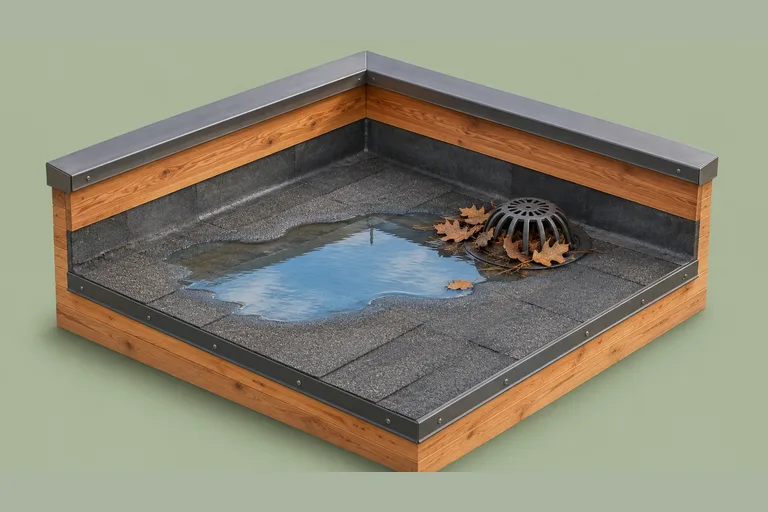
Why Is Water Still Standing on My Flat Roof?
Persistent water on a low-slope roof can involve blocked outlets, low spots or deflection. A puddle does not by itself identify a leak.
Read the answer →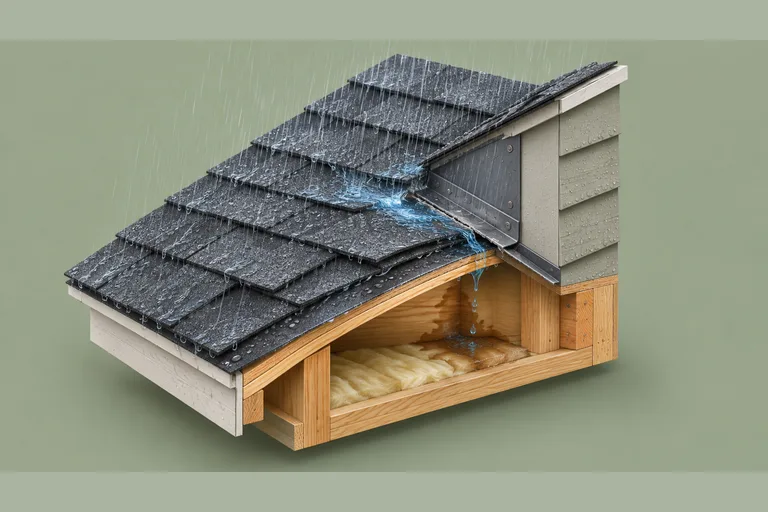
Why Does My Roof Leak Only During Heavy Rain?
Rain exposes a weak detail; it does not identify which part has failed. Wind direction, drainage and the duration of the rain can change when water becomes visible.
Read the answer →