My New Roof Is Leaking: What Should I Check First?
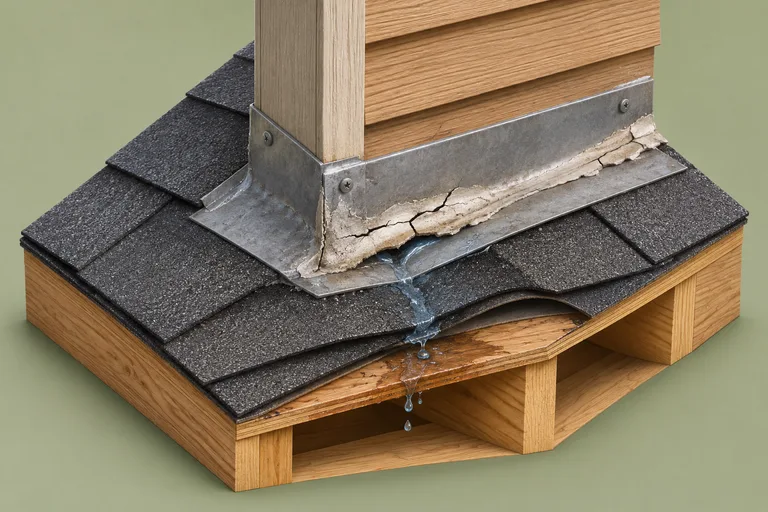
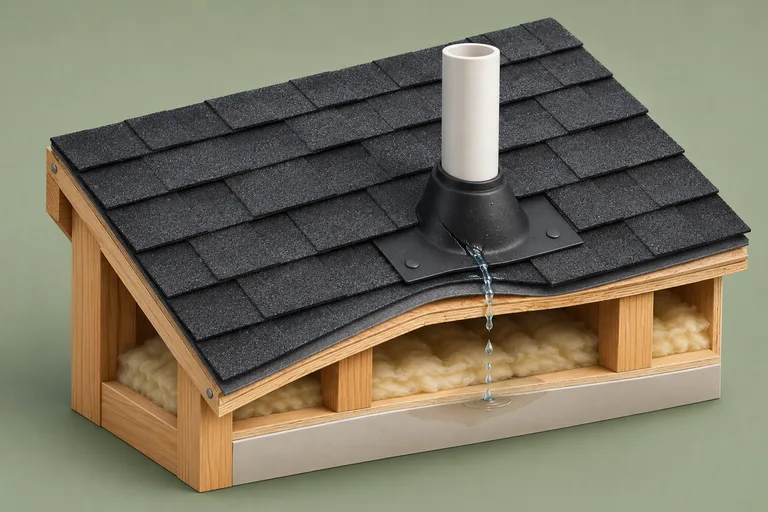
Document the leak and contact the installing contractor promptly. A new roof leak needs investigation, and the warranty documents help clarify how to report it.
Understand the problem →THE HOMEOWNER’S FIELD GUIDE
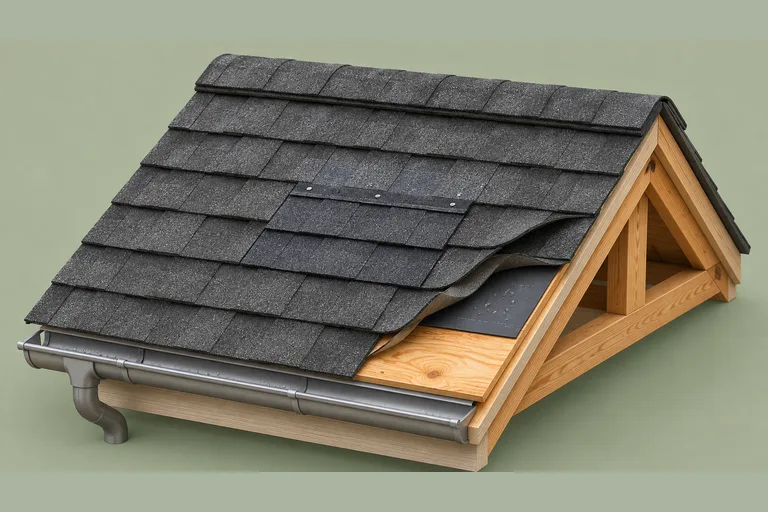
A stain, a drip, a shingle in the yard. Understand what it could mean, what to look for safely, and which questions to ask next.
Find your symptom ↓6 answers · Showing 1–6
Document the leak and contact the installing contractor promptly. A new roof leak needs investigation, and the warranty documents help clarify how to report it.
Understand the problem →Often a localized defect can be repaired, but the surrounding roof must be sound enough to accept the repair. Area alone does not decide whether partial work is appropriate.
Understand the problem →A recurring leak can mean the original source remains, another source exists, or water is still draining from wet construction. More surface sealant is not a diagnosis.
Understand the problem →A dip may involve decking, framing or original roof geometry. A new or changing sag needs prompt assessment.
Understand the problem →An overlay may be possible for some roofs, but existing layers, decking, material instructions and local requirements must be checked. It is not the same scope as a full tear-off.
Understand the problem →Installation time and the full project schedule are different. Roof size, material, access, weather and hidden repairs all affect the work plan.
Understand the problem →SAME SYMPTOM. DIFFERENT CAUSES.
Rainwater, a plumbing leak and attic condensation can leave similar marks. The timing and location help narrow the possibilities.
Look for a connection to weather, roof openings and exterior walls.
Widespread attic moisture may involve condensation and indoor air leakage.
A bathroom or pipe above the stain may point to a different trade.
Use these answers alongside project photographs, cost planning and service details.