Shingles & storm
Why Are My Roof Shingles Curling at the Edges?
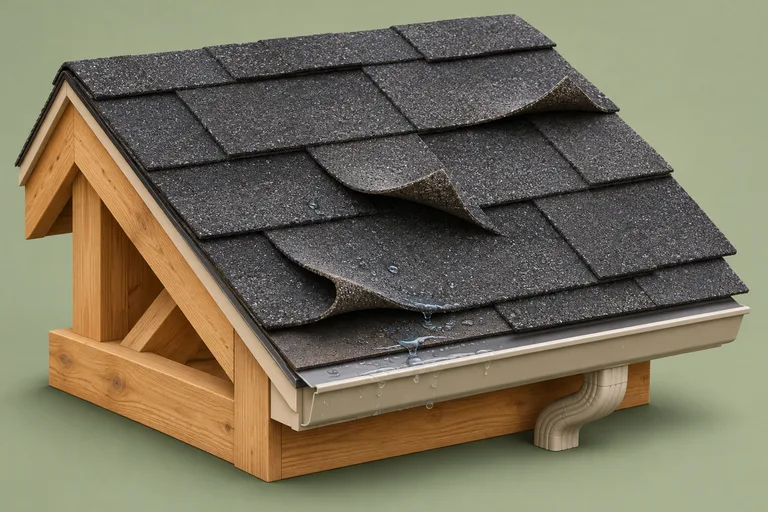
Raised shingle edges can involve aging, moisture or installation conditions. Curling may also increase vulnerability to wind.
Understand the problem → (862) 304-0255Free estimate ↗
THE HOMEOWNER’S FIELD GUIDE
A stain, a drip, a shingle in the yard. Understand what it could mean, what to look for safely, and which questions to ask next.
Find your symptom ↓26 answers · Showing 13–24
Raised shingle edges can involve aging, moisture or installation conditions. Curling may also increase vulnerability to wind.
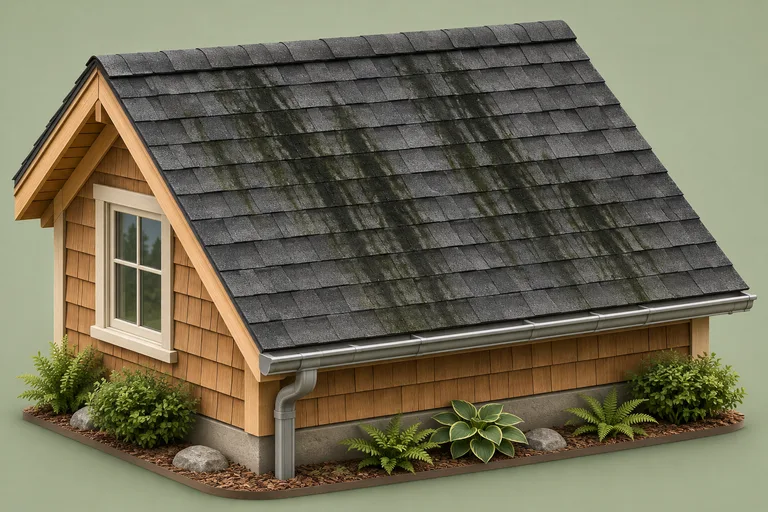
Understand the problem →Dark streaks can be associated with algae. Discoloration alone does not establish that a roof leaks or needs replacement.
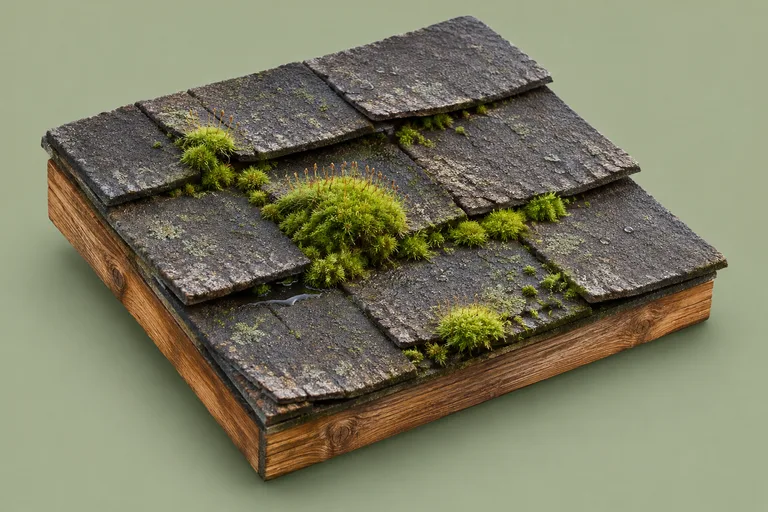
Understand the problem →Moss can hold moisture around shingles and hide their condition. Treatment should suit the roof material and its condition.
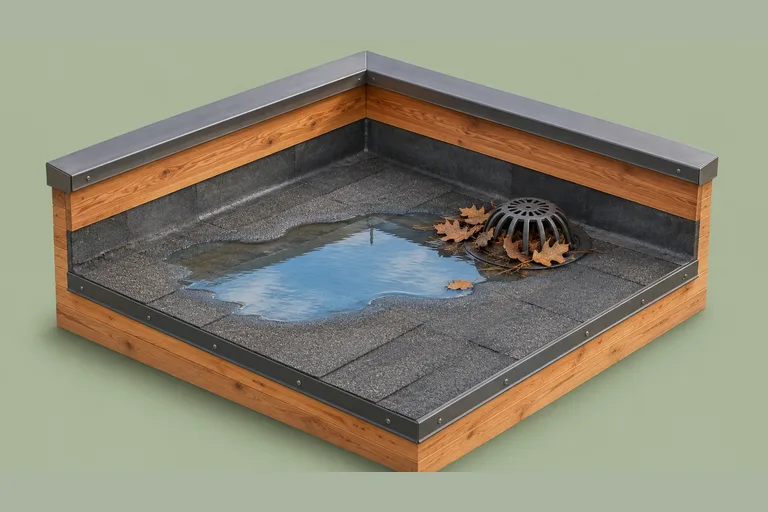
Understand the problem →Persistent water on a low-slope roof can involve blocked outlets, low spots or deflection. A puddle does not by itself identify a leak.
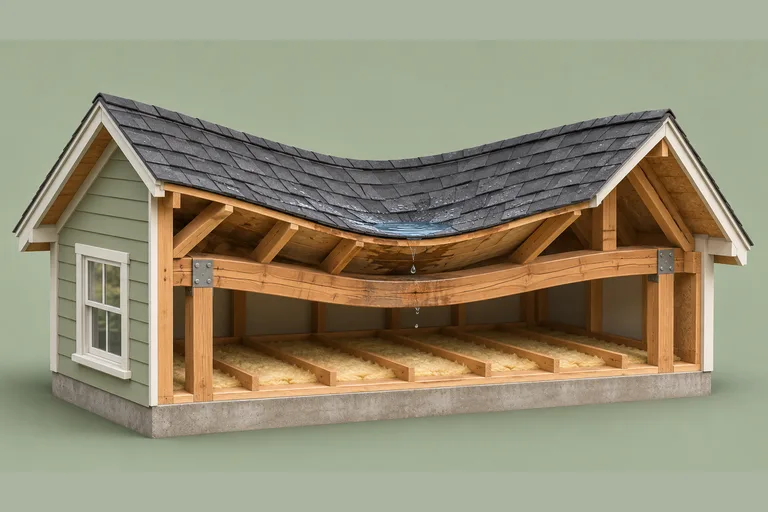
Understand the problem →A dip may involve decking, framing or original roof geometry. A new or changing sag needs prompt assessment.
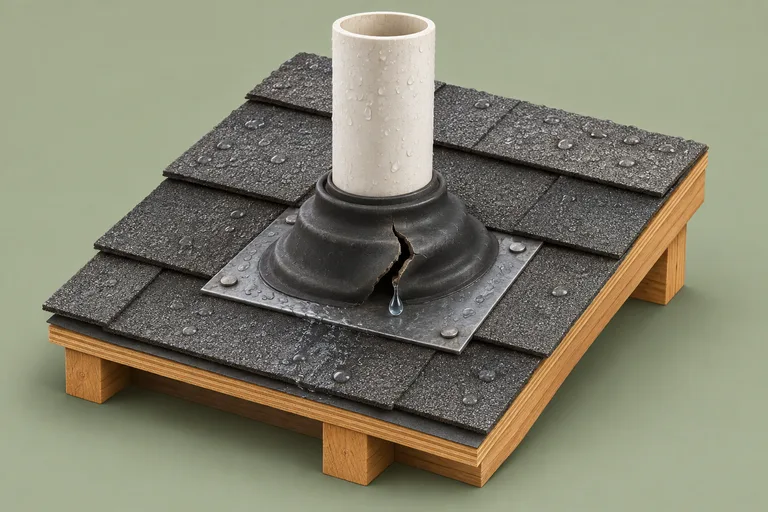
Understand the problem →A roof penetration needs a weather-tight connection. Water near a pipe may involve its boot, flashing or roofing above it.
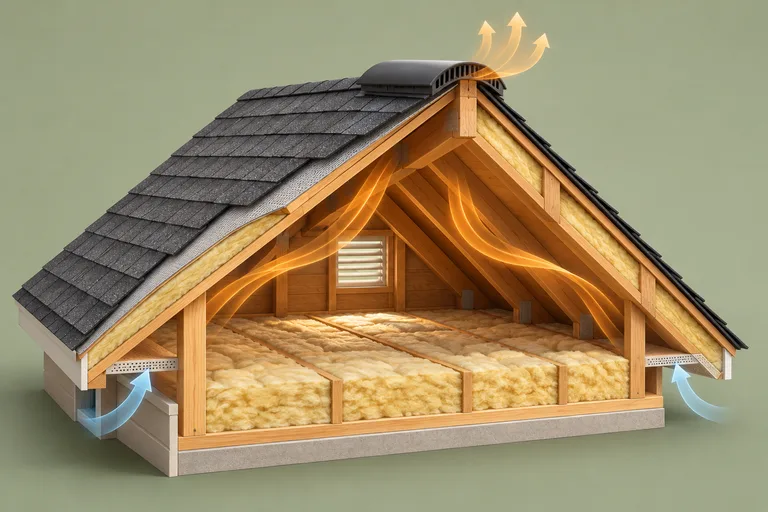
Understand the problem →Attics can be much hotter than living spaces. Comfort problems need a review of air sealing, insulation, ducts and ventilation together.
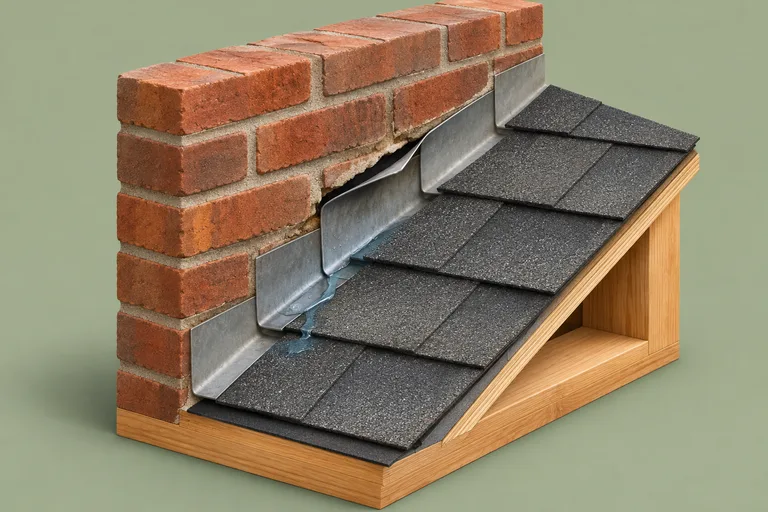
Understand the problem →A visible flashing gap may admit water. Its significance depends on the joint type and how the metal is integrated with roofing and the adjoining wall.
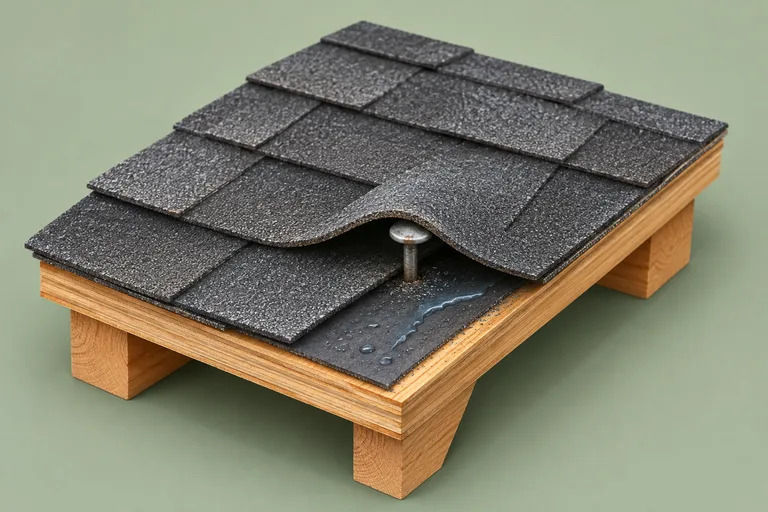
Understand the problem →A raised nail can lift the shingle above it, while an exposed nail may indicate a different fastening detail. The location and surrounding roof condition determine what needs correction.
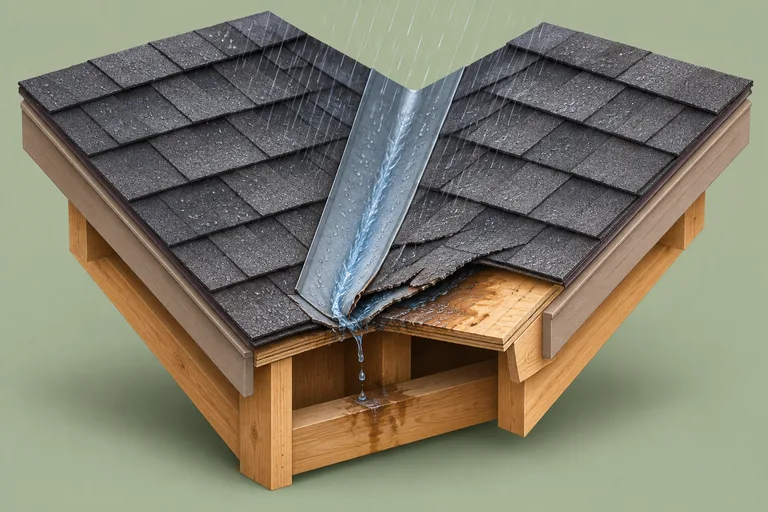
Understand the problem →A valley carries runoff from two roof slopes. Debris, damaged flashing or an incorrectly integrated roofing detail can let concentrated water reach the roof deck.
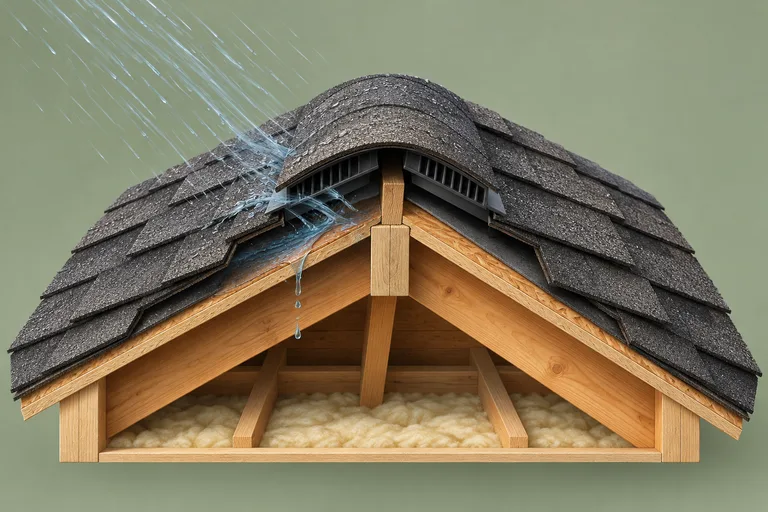
Understand the problem →Water near the roof peak can involve ridge caps, the vent installation or another moisture source. The product and the conditions when wetting occurs matter.
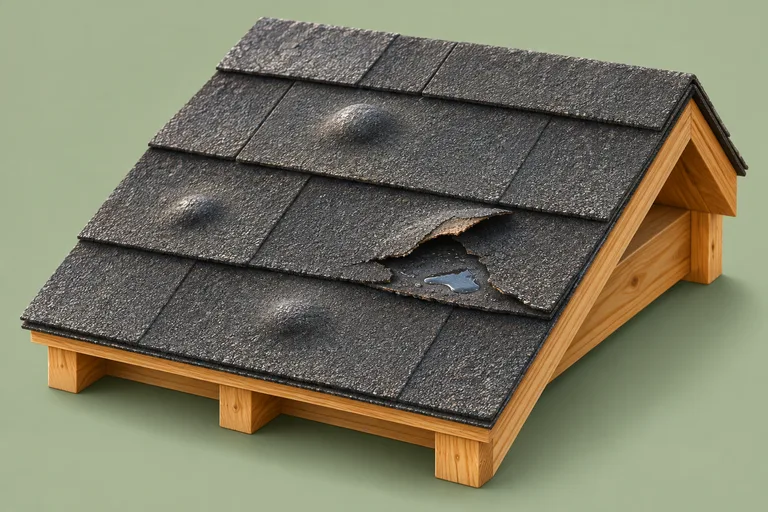
Understand the problem →Small raised blisters in shingles are different from a broad roof buckle. Their cause and significance need assessment before deciding on cleaning, repair or a warranty inquiry.
Understand the problem →SAME SYMPTOM. DIFFERENT CAUSES.
Rainwater, a plumbing leak and attic condensation can leave similar marks. The timing and location help narrow the possibilities.
Look for a connection to weather, roof openings and exterior walls.
Widespread attic moisture may involve condensation and indoor air leakage.
A bathroom or pipe above the stain may point to a different trade.
Use these answers alongside project photographs, cost planning and service details.